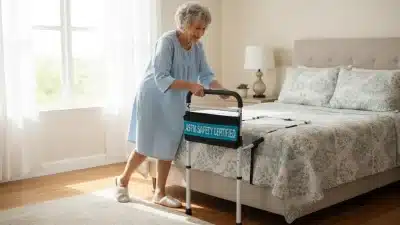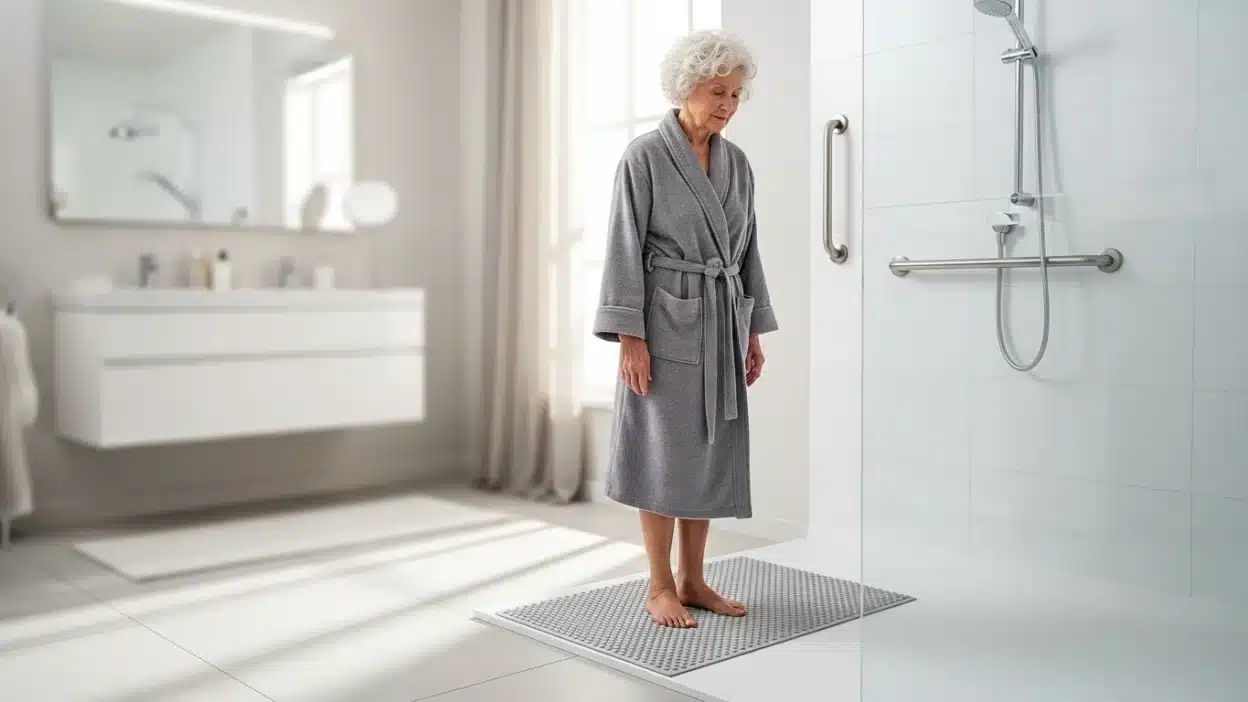
Mary slipped getting out of the shower last Tuesday. She caught herself on the towel rack, but her wrist hurt for days. Her daughter installed anti slip mats that weekend.
Falls cause over 3 million emergency room visits each year among older adults. Slippery floors are one of the biggest culprits. You can change that today.
Anti slip mats seniors use at home create friction between feet and floor. They work in bathrooms, kitchens, entryways, and beside beds. The right mat stays put, drains water fast, and supports weight without bunching.
This guide covers the best options for different rooms and needs. You’ll learn what makes a mat safe, how to choose the right size, and which products work best for wet areas. We also explain daily living aids for seniors that work alongside mats to reduce fall risk.
Quick tip: Place mats where you walk most often when floors are wet. Check them monthly for wear.
Why Seniors Need Anti Slip Mats
Your balance changes as you age. Inner ear function declines. Muscle strength drops. Vision gets worse in low light. These changes make slippery floors dangerous.
Wet bathroom floors are the worst. Soap residue and water create a skating rink. Kitchen spills sit unnoticed. Hardwood and tile offer no grip when damp.
Nonslip rugs elderly adults depend on provide a textured surface. Your feet grip better. You feel more stable. The mat absorbs water instead of leaving puddles.
Falls lead to broken hips, head injuries, and hospital stays. One in four seniors falls each year. Many never fully recover. Prevention costs less than treatment.
Mats also help if you use a walker or cane. They stay flat under assistive devices. No sliding, no tripping over corners.
What Makes a Good Anti Slip Mat for Seniors
Not all mats work the same. Here’s what separates safe options from cheap imitations.
Grip on Both Sides
The bottom must stick to your floor. Suction cups, rubberized backing, or adhesive strips all work. The mat should not slide when you step on it.
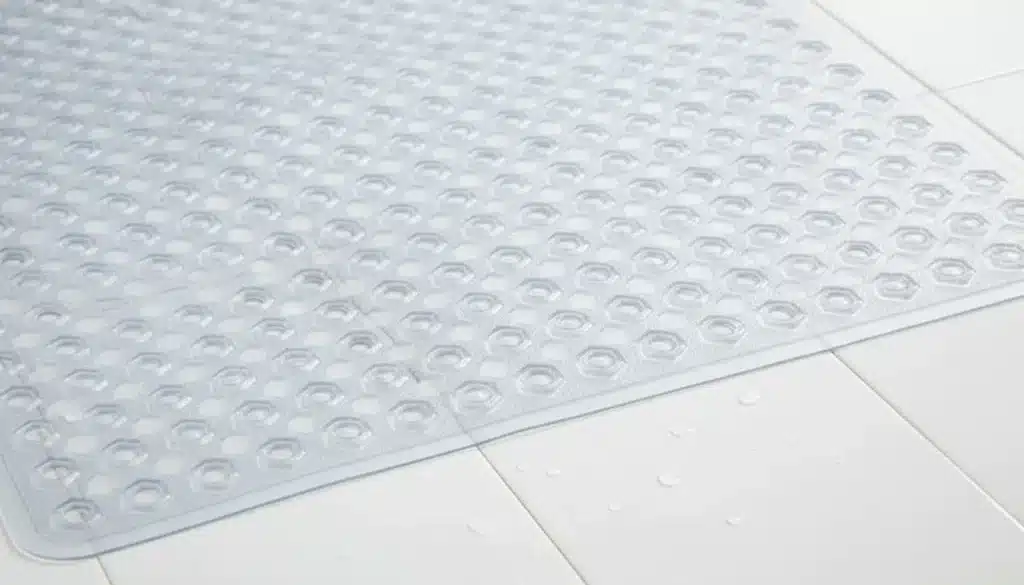
The top needs texture. Raised patterns, ridges, or rough surfaces give your feet traction. Smooth mats defeat the purpose.
Fast Drainage
Water should flow through, not pool on top. Look for perforated designs or mesh patterns. Mats that trap water stay slippery and grow mold.
Right Thickness
Too thin and the mat bunches. Too thick and it becomes a tripping hazard. Most good mats are between one-quarter and one-half inch thick.
Machine Washable
Bathroom mats get dirty. Kitchen mats collect food particles. You need to clean them regularly without destroying the grip.
Size Options
A tiny mat in a big shower doesn’t help. Measure your space first. The mat should cover the area where you stand most.
Best Anti Slip Bathroom Mats
Shower and Tub Mats
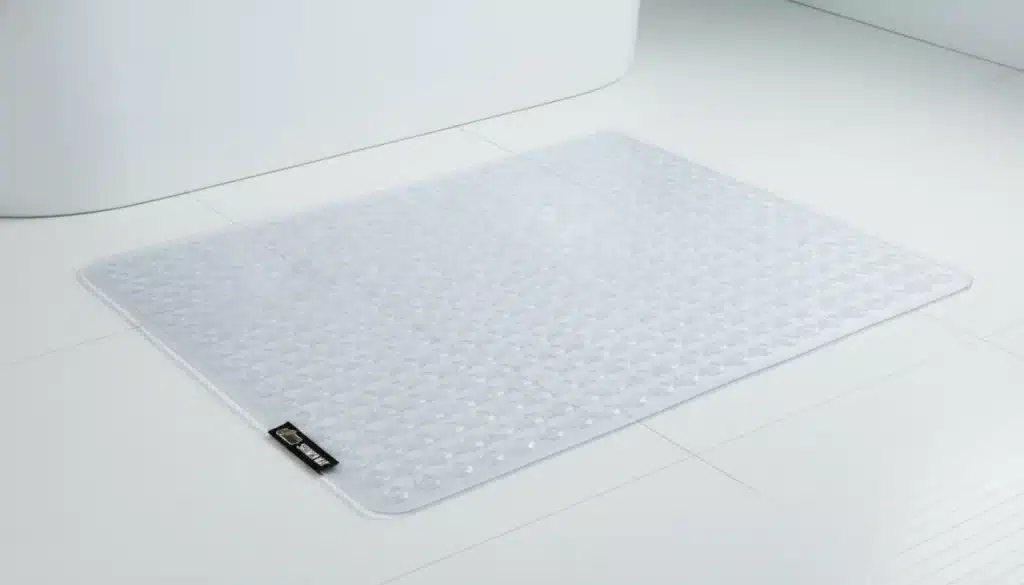
Gorilla Grip makes a popular shower mat with hundreds of suction cups. It measures 35 by 16 inches, big enough for most tubs. The textured surface provides solid footing. Drainage holes prevent water buildup.
The mat stays put during use. You can machine wash it when needed. It comes in multiple colors to match your bathroom.
Yimobra offers an extra-long option at 39 inches. This works well for walk-in showers. The soft rubber feels comfortable underfoot but still grips.
Both options work for seniors who shower independently or need adaptive tools for seniors for bathroom safety.
Bathroom Floor Mats
SlipX Solutions makes absorbent mats for outside the shower. These catch drips and prevent puddles. The backing grips tile and linoleum without adhesive.
The mat absorbs water fast. Your feet stay dry when you step out. It dries quickly between uses, which reduces mold risk.
Vaunn Medical offers a similar product with antimicrobial treatment. This matters if you have diabetes or circulation problems. Bacteria love damp bathroom floors.
Place these mats where you stand to dry off or brush your teeth. Pair them with bed rails for seniors if you need support getting up at night for bathroom trips.
Best Anti-Slip Kitchen Mats
Sink Area Mats
The kitchen sink area gets wet multiple times per day. Splashes, spills, and drips make tile floors slippery.
WiseLife cushioned mats provide anti-slip backing and water resistance. The cushioning also reduces leg fatigue if you stand while cooking. The mat measures 17 by 47 inches, perfect for galley kitchens.
You can trim these mats to fit your space. They clean with a damp cloth or go in the washing machine.
Full Kitchen Runners
ComfiLife makes gel mats that run the length of your counter space. These work well if you cook often or have an open kitchen layout.
The gel core provides cushioning. The beveled edges prevent tripping. The non-slip bottom works on tile, hardwood, and vinyl.
These mats stay flat under foot traffic. They don’t curl at the corners or slide when you pivot.
Best Bedroom and Hallway Options
Bedside Mats
You’re groggy when you wake up at night. Balance is worse. Vision is poor. The path from bed to bathroom needs to be safe.
Gorilla Grip makes bedside mats with strong grip backing. They come in sets, so you can place one on each side of the bed. The soft texture feels good on bare feet.
These mats stay put even on carpet. They work on hardwood too. The low profile means you won’t trip over the edge.
Hallway Runners
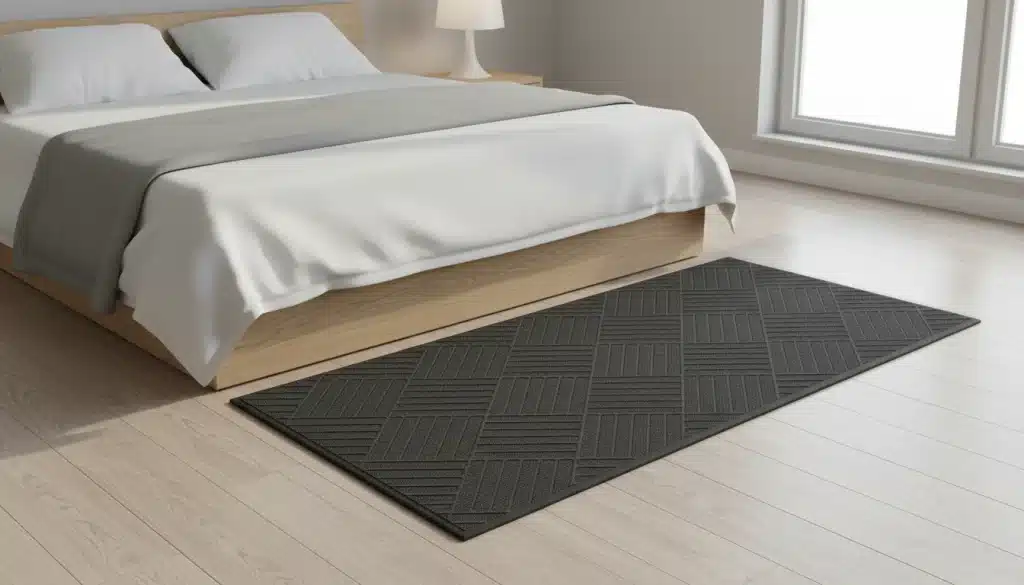
Long hallways connect bedrooms to bathrooms. They often have smooth floors that get slippery from tracked-in water or spills.
Ottomanson sells runners in various lengths. The rubber backing prevents sliding. The surface provides traction without being rough.
You can cut these to length. They come in neutral colors that match most homes. Machine washing keeps them fresh.
How to Choose the Right Size Mat
Measure before you buy. Here’s a simple process:
Stand where you need the mat. Note where your feet land. Add six inches in each direction. That’s your minimum size.
For showers, measure the entire floor area. Get the biggest mat that fits. You want coverage wherever you might stand.
For kitchen sinks, measure from the counter edge to where you typically stand. Add a few inches. Standard widths are 17 to 24 inches.
For bedside, measure from the bed frame to where you first step. A mat that’s too small defeats the purpose.
Bigger is usually better. You can always trim some mats. You can’t make a small mat larger.
Installation and Maintenance Tips
First-Time Setup
Clean the floor before placing your mat. Dirt and soap scum prevent proper adhesion. Use a degreaser in the kitchen. Use bathroom cleaner in the tub.
Dry the area completely. Place the mat and press firmly. For suction cup mats, push down on each cup. You should hear a slight pop.
Let the mat sit for a few hours before use. This lets the adhesive or suction cups set properly.
Weekly Care
Lift bath mats once a week. Rinse underneath to remove soap buildup. Let both the mat and floor dry before replacing.
Shake out kitchen mats outside. Crumbs and debris reduce grip. Spot clean spills immediately.
Check corners and edges. If they start to curl, the mat needs replacement.
Monthly Deep Cleaning
Most anti slip mats are machine washable. Use warm water and regular detergent. Skip the fabric softener—it reduces grip.
Hang to dry or use low heat. High heat can damage rubber backing.
For mats that can’t go in the machine, scrub with a brush and mild soap. Rinse thoroughly. Let air dry completely.
Replace mats that lose suction, show tears, or develop a permanent odor.
Common Mistakes to Avoid
Using Regular Bath Mats
Plush bath mats absorb water but don’t prevent slips. They slide around on wet floors. They bunch under your feet.
Anti slip mats have textured surfaces and secure backing. Regular mats don’t.
Overlapping Mats
Never layer one mat on top of another. This creates a tripping hazard. The mats slide against each other.
Use one proper mat for each area.
Ignoring Wear Signs
Mats wear out. Suction cups flatten. Texture smooths. Backing cracks.
A worn mat is as dangerous as no mat. Replace when you notice reduced grip.
Wrong Surface Pairing
Some mats work better on certain floors. Suction cups need smooth surfaces. Adhesive backing works on textured tile.
Read product descriptions. Match the mat type to your floor.
Additional Fall Prevention Tips
Mats help, but they’re part of a bigger safety plan. Here are other steps that matter:
Remove loose rugs in other rooms. These cause trips. Secure area rugs with double-sided tape or rug pads.
Install grab bars near the toilet and in the shower. These give you something to hold when balance fails.
Improve lighting in hallways and bathrooms. Night lights help during midnight bathroom trips.
Keep floors dry and clear. Wipe spills immediately. Don’t leave shoes or objects in walkways.
Wear proper footwear. Socks are slippery. Slippers with rubber soles work better.
Consider other dressing aids for seniors that reduce bending and reaching. Less bending means better balance.
When to Upgrade Your Mats
Replace mats every 12 to 18 months with regular use. Bathroom mats may need replacement sooner because of constant moisture exposure.
Signs you need new mats:
- Suction cups no longer hold
- Surface feels smooth instead of textured
- Corners curl up
- Visible cracks or tears
- Persistent mold or odor despite cleaning
- Mat slides when stepped on
Don’t wait for a fall to replace worn mats. Prevention is cheaper than medical bills.
Frequently Asked Questions
What is the best non-slip mat for elderly bathroom use?
Gorilla Grip shower mats work well for most bathrooms. They have strong suction cups and good drainage. The textured surface provides solid grip. Choose the size that fits your tub or shower floor completely.
How do you keep bath mats from sliding for seniors?
Use mats designed with suction cups or rubberized backing. Clean the floor before placement to remove soap residue. Press firmly when installing. Replace mats when suction weakens. Avoid regular bath mats without proper backing.
Can you put anti slip mats in the washing machine?
Most modern anti slip mats are machine washable. Check the care label first. Use warm water and standard detergent. Avoid fabric softener. Hang dry or use low heat. This keeps the backing intact.
Do anti slip mats work on tile floors?
Yes, they work well on tile. Suction cup mats grip smooth tile best. For textured tile, choose mats with adhesive backing or rubberized undersides. The mat must make full contact with the floor surface.
How often should seniors replace bathroom mats?
Replace bathroom mats every 12 to 18 months. Replace sooner if you notice reduced grip, curling edges, or mold that won’t wash out. Check monthly for wear signs. A worn mat provides false security.
Are rubber mats better than fabric mats for fall prevention?
Rubber mats typically provide better slip resistance. They grip the floor more securely. They drain water faster. Fabric mats may absorb water but can bunch or slide. Choose rubber or vinyl for wet areas.
What size anti slip mat do I need for my shower?
Measure your shower floor completely. Get the largest mat that fits. Standard tubs need mats around 16 by 35 inches. Walk-in showers often need larger sizes. Full coverage matters more than matching standard sizes.
Can anti slip mats cause tripping hazards?
Poorly designed mats can trip you. Choose mats under half an inch thick. Avoid curled edges. Make sure the mat lies completely flat. Check regularly that corners haven’t lifted. Proper placement and maintenance prevent tripping.
Conclusion
Falls hurt. They limit independence. They land people in nursing homes. But you can prevent most falls with simple changes.
Anti slip mats seniors trust create safe spaces in bathrooms, kitchens, and bedrooms. They grip both the floor and your feet. They drain water fast. They stay put when you need them.
Start with your bathroom. That’s where most falls happen. Add kitchen mats next. Then cover bedside areas and hallways.
Check mats monthly. Replace them when grip fades. Pair them with good lighting and clutter-free floors.
Your safety matters. These mats cost less than a single emergency room visit. They give you confidence to move around your home without fear.
View anti slip mat options on Amazon and make your home safer today.