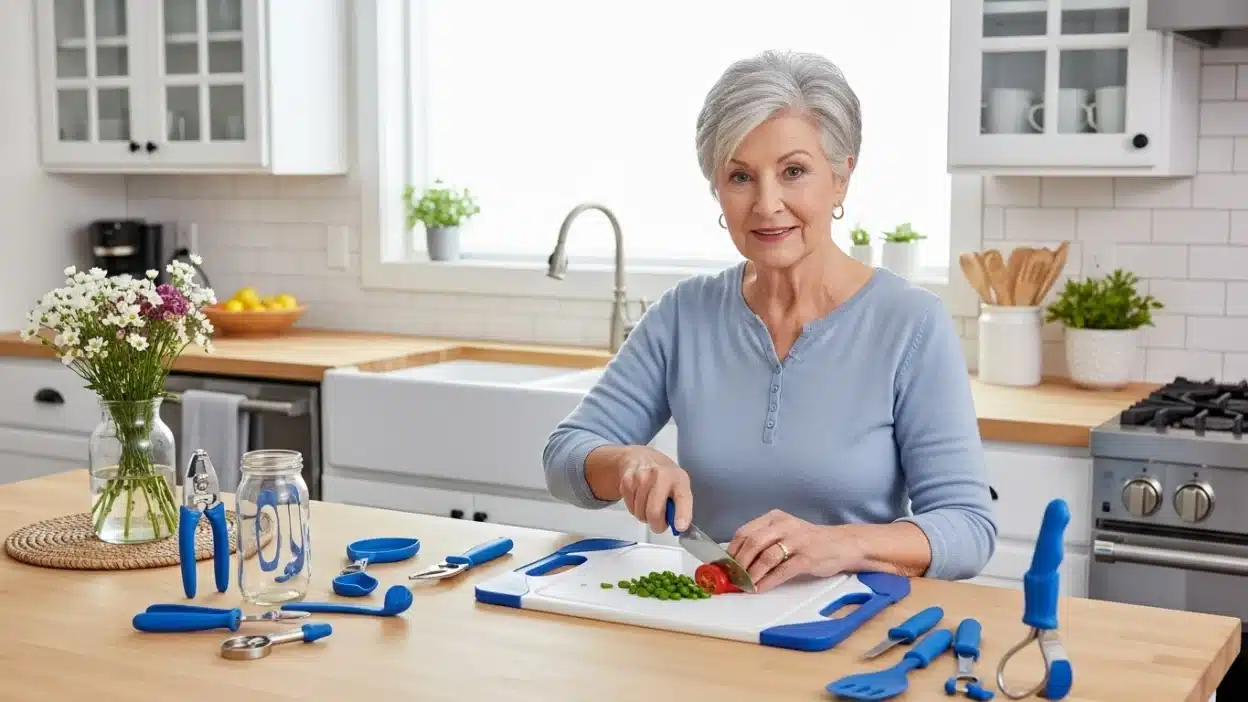
Marie lives alone at 72. She loves her independence but noticed her hands don’t grip like they used to. Opening jars became a struggle. Buttoning shirts took twice as long. She worried about losing the ability to care for herself.
You or someone you care about might face similar challenges. Aging brings changes. Grip weakens. Joints stiffen. Balance shifts. But losing independence doesn’t have to follow.
Adaptive tools bridge the gap between struggle and success. They help seniors complete daily tasks without frustration or risk. The right tools mean staying in your own home longer and maintaining dignity.
This guide covers practical daily living aids that solve real problems. You’ll learn which tools address specific needs and why they work. We tested products, read hundreds of reviews, and talked to occupational therapists. Everything here focuses on safety, ease of use, and genuine help.
Let’s find tools that restore confidence and keep you independent.
Why Adaptive Tools Matter for Independent Living
Living alone requires completing tasks without help. You need to eat, dress, bathe, and move safely through your home. When physical abilities decline, these basic activities become obstacles.
Adaptive tools remove those obstacles. They compensate for reduced strength, limited reach, and decreased dexterity. A jar opener gives you the grip strength you’ve lost. A sock aid lets you dress without bending over. These aren’t luxuries. They’re necessities for maintaining autonomy.
Falls are the leading cause of injury for people over 65. Many falls happen during routine activities like getting out of bed or stepping from the shower. The right independent living tools reduce fall risk by providing stability and support.
Physical struggles also affect mental health. Asking for help with every small task erodes confidence. Adaptive tools restore your ability to do things yourself. That independence protects dignity and self-worth.
Essential Kitchen Adaptive Tools
Jar Openers

Jar lids defeat many seniors. Arthritis, reduced grip strength, or hand tremors make twisting impossible. You might avoid certain foods just because you can’t open the container.
Electric jar openers solve this problem completely. You place the opener on the lid, press a button, and the device does the work. No twisting, no strain, no pain. They work on jars from small spice containers to large pickle jars.
Manual jar openers with rubber grips also help. They increase your leverage and provide a non-slip surface. These cost less than electric versions but require some hand strength.
If opening jars is a daily struggle, consider reading our detailed guide on jar openers designed for weak grip.
Check electric jar openers on Amazon
Easy-Grip Utensils
Standard forks and spoons have thin handles. If you have arthritis or nerve damage, holding them becomes difficult. Food spills. Meals take longer. You might eat less because eating feels like work.
Easy-grip utensils feature thick, cushioned handles. The extra width distributes pressure across your palm instead of concentrating it in your fingers. Foam or rubber coating prevents slipping.
Weighted utensils help people with tremors. The extra weight steadies your hand and reduces shaking. Some adaptive utensils have angled heads that bring food to your mouth without bending your wrist.
View easy-grip utensil sets on Amazon
Cutting Boards with Stability Features
Regular cutting boards slide around. This creates a safety hazard when you’re holding a knife. One slip could mean a serious cut.
Adaptive cutting boards have non-slip feet or suction cups. They stay in place while you work. Many include raised edges or corner guards that hold food steady while you cut with one hand.
Some models have built-in spikes for securing vegetables or meat. You press the food onto the spikes, leaving both hands free to cut safely.
Dressing Aids for Daily Independence
Getting dressed sounds simple until it’s not. Bending to pull on socks hurts your back. Fastening buttons tests your patience. Reaching behind to zip a dress becomes impossible.
Dressing aids restore your ability to dress yourself without pain or help.
Sock Aids
Sock aids eliminate the need to bend. You slide the sock onto a plastic or fabric former, place your foot in the opening, and pull the handles. The sock slides onto your foot. Your back stays straight. Your balance stays stable.
These tools help people with hip replacements, back pain, or limited flexibility. They work with regular socks, compression socks, and athletic socks.
For a complete breakdown of different types, read our guide to sock aids for seniors.
Check sock aid options on Amazon
Button Hooks
Small buttons require fine motor control. Arthritis or reduced finger sensitivity makes buttoning shirts take forever. You might give up and wear only pullovers, limiting your wardrobe choices.
Button hooks have a wire loop that catches the button and pulls it through the hole. The handle provides a comfortable grip. You can button a shirt in seconds instead of minutes.
Some button hooks include zipper pulls on the other end. One tool handles two common dressing challenges.
Dressing Sticks
Dressing sticks extend your reach by two to three feet. A hook on one end pulls up pants or grabs clothing. A shoe horn on the other end helps you put on shoes without bending.
These tools help people with limited shoulder mobility, hip replacements, or obesity. They let you dress completely without assistance.
Our comprehensive dressing aids article covers more solutions for buttons, zippers, and clothing management.
Reaching and Grabbing Tools
You drop something on the floor. Bending down feels risky. Your balance isn’t what it was. You worry about getting back up.
Grabber tools extend your reach and eliminate bending.
Reacher Grabbers
These tools have a trigger handle connected to gripping jaws. You squeeze the trigger and the jaws close around objects. You can pick up items from the floor, reach items on high shelves, or grab objects without standing.
Look for grabbers with:
- Rubberized jaws for secure grip
- Magnetic tips for picking up metal objects
- Rotating heads for angled reach
- Lightweight aluminum construction
A good reacher grabber should hold at least five pounds and extend your reach by 26 to 32 inches.
View reacher grabber options on Amazon
Bathroom Safety Adaptive Tools
Bathrooms are dangerous. Wet surfaces, hard edges, and awkward movements create fall risks. Adaptive tools reduce these dangers.
Toilet Safety Rails
Standing up from the toilet requires leg strength and balance. If either falters, you risk falling. Toilet safety rails provide sturdy handholds on both sides of the toilet.
These rails attach to the toilet itself, not the wall. They support up to 300 pounds. Padded armrests provide comfortable grip surfaces.
Shower Chairs and Benches
Standing in the shower exhausts some seniors. Balance problems make standing on wet surfaces scary. Shower chairs let you sit while bathing.
Look for chairs with:
- Non-slip rubber feet
- Drainage holes in the seat
- Adjustable height legs
- Backrest for support
Some models have cutouts in the seat for easier cleaning.
Long-Handled Sponges
Washing your back or feet requires flexibility. Shoulder or hip problems make these movements painful. Long-handled sponges extend your reach by 15 to 20 inches.
Choose sponges with curved handles. The curve helps you reach difficult areas without straining your joints.
Mobility and Fall Prevention Tools
Falls cause 95% of hip fractures in seniors. Most falls happen at home during routine activities. Adaptive tools create safer movement through your living space.
Anti-Slip Mats
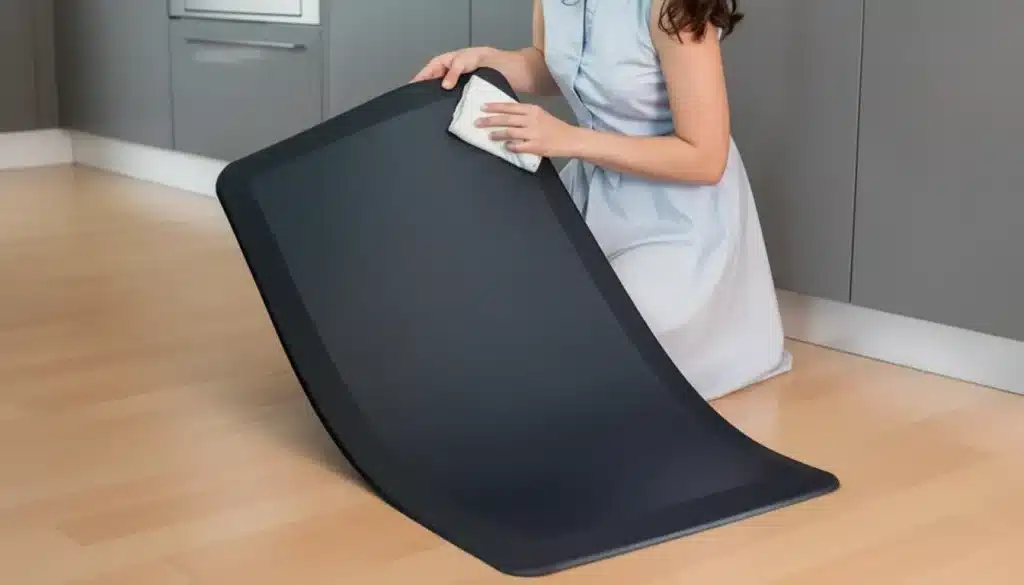
Throw rugs slide on hard floors. Smooth tile becomes slippery when wet. Anti-slip mats provide stable footing in high-risk areas.
Place nonslip rugs elderly people use near beds, in bathrooms, and at entryway doors. Look for mats with rubber backing that grips the floor without adhesives. For detailed recommendations on preventing falls with proper matting, see our anti-slip mat guide.
Check anti-slip mat options on Amazon
Bed Rails
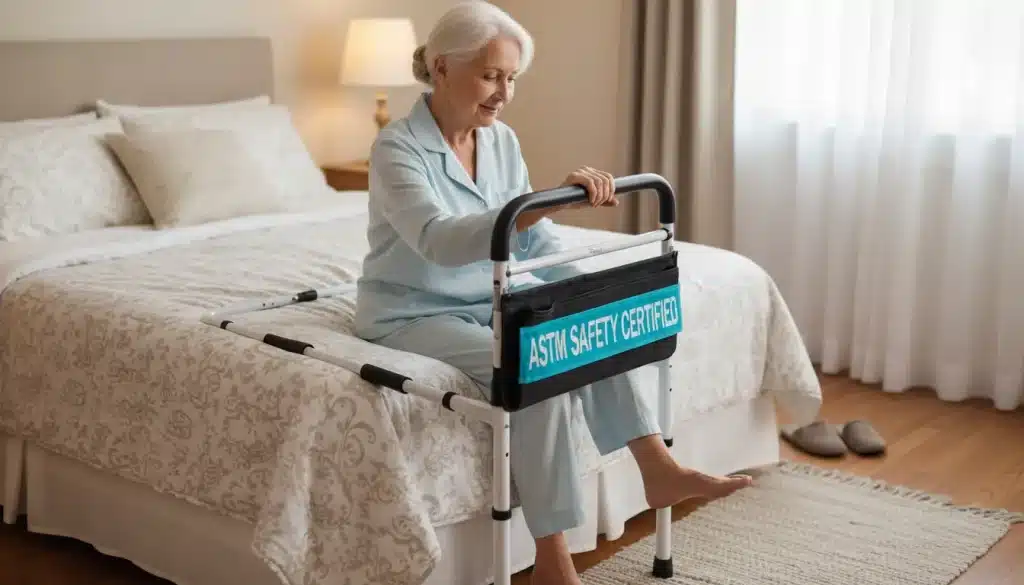
Getting in and out of bed requires upper body strength. If you lack that strength, you might roll out of bed or fall while standing up. Bed rails provide stable handholds.
Bed rails for seniors attach to the bed frame without tools. They fold down when not in use. Some models include storage pockets for phones, glasses, or medications. Read our detailed bed rail safety guide to find the right option for your bed type.
View bed rail options on Amazon
Walking Canes with Built-in Features
Standard canes provide basic support. Adaptive canes include features that increase safety and convenience.
Some canes have:
- Built-in LED lights for walking at night
- Folding designs for easy storage
- Multiple contact points for better stability
- Seats that fold out for resting
Choose canes with ergonomic handles that reduce wrist strain.
Medication Management Tools
Missing doses or taking medications incorrectly creates serious health risks. Adaptive tools help you manage medications safely.
Pill Organizers with Alarms
Weekly pill organizers separate medications by day and time. You fill the organizer once per week. Each day, you take pills from the correct compartments.
Organizers with alarms beep when it’s time to take medications. This prevents missed doses. Some models have locks to prevent accidental double dosing.
Pill Crushers and Splitters
Large pills are hard to swallow. Pill splitters cut tablets in half for easier swallowing or accurate dosing. Pill crushers grind tablets into powder that you can mix with food or drinks.
Always check with your pharmacist before crushing or splitting medications. Some pills must be swallowed whole to work properly.
Easy-Open Pill Bottles
Childproof caps protect children but frustrate seniors. Easy-open pill bottles have large caps that twist off with minimal effort.
Some pharmacies provide non-childproof caps on request. If children visit your home, store medications in a locked drawer or cabinet.
Vision Assistance Tools
Vision changes affect reading, cooking, and navigation. Adaptive tools compensate for reduced sight.
Magnifying Glasses with Lights
Reading labels, instructions, or mail becomes difficult when your vision weakens. Magnifying glasses enlarge text. Built-in LED lights illuminate what you’re reading.
Hands-free magnifiers hang around your neck or stand on a table. This leaves both hands free for other tasks.
Large-Button Remotes
Standard TV remotes have small buttons with tiny labels. Large-button remotes feature oversized buttons with high-contrast numbers. Each button performs only one function, eliminating confusion.
Some models include backlighting for use in dark rooms.
Talking Watches and Clocks
If you can’t see small watch faces clearly, talking watches announce the time at the press of a button. Talking clocks announce the time on the hour or on demand.
These devices have adjustable volume and easy-to-press buttons.
Home Organization Tools
Staying organized prevents frustration and wasted time searching for items.
Key Finders
Misplacing keys creates stress and delays. Key finders attach to your keyring. When you can’t find your keys, you press a button on a base station. The key finder beeps loudly until you locate it.
Some key finders work with smartphone apps. You can make the device beep from your phone.
Lazy Susans for Cabinets
Reaching into deep cabinets is difficult. Items in the back become invisible. Lazy susans rotate to bring items to the front.
Place lazy susans in corner cabinets, refrigerators, or on countertops. You can access everything without reaching or bending.
Grabber Tools for High Shelves
Items stored on high shelves might as well not exist if you can’t reach them safely. Lightweight grabber tools designed for height have extended reach and comfortable grips. Our detailed grabber tool comparison explains which models work best for different needs.
How to Choose the Right Adaptive Tools
Buying random tools wastes money. Focus on your specific challenges.
Identify Your Daily Struggles
Keep a list for one week. Note every task that causes pain, frustration, or requires help. This list shows exactly which tools you need.
Do you struggle with:
- Opening containers?
- Getting dressed?
- Reaching objects?
- Standing safely?
- Managing medications?
Match tools to your specific problems.
Consider Your Living Space
Small apartments need compact tools. Large homes might benefit from having multiple grabbers in different rooms.
Think about storage. Where will you keep these tools? Can you reach them when needed?
Check Weight and Grip Comfort
Tools should feel comfortable in your hand. If a grabber is too heavy, you won’t use it. If the handle causes pain, it creates a new problem.
Read reviews from other seniors. They often mention comfort issues that product descriptions miss.
Verify Safety Features
Any tool that provides support must be stable. Check weight limits on chairs, rails, and walkers. Look for non-slip features on mats and grabbers.
Products designed for seniors should have undergone safety testing. Look for mentions of stability testing in product descriptions.
FAQs
What adaptive tools should every senior living alone have?
Start with a reacher grabber, jar opener, and shower chair. These three tools address the most common daily challenges. Add anti-slip mats for bathrooms and entryways. A bed rail helps if you struggle getting in and out of bed. Build your collection based on your specific needs rather than buying everything at once.
Do insurance plans cover adaptive tools for seniors?
Medicare sometimes covers adaptive tools if prescribed by a doctor and deemed medically necessary. Coverage varies by plan and tool type. Medicaid and private insurance may offer coverage. Contact your insurance provider before purchasing. Ask your doctor to write a prescription explaining medical necessity. This increases approval chances.
Can adaptive tools help prevent nursing home placement?
Yes. Many seniors move to assisted living because they can’t complete daily tasks safely. Adaptive tools restore independence in eating, dressing, bathing, and moving around the home. When you can care for yourself, staying home becomes possible. Combine tools with home modifications like grab bars and good lighting for best results.
How do I know which adaptive tools I actually need?
Track your daily activities for one week. Note tasks that cause pain, require multiple attempts, or feel unsafe. Note tasks you avoid entirely. This creates a clear picture of your needs. Consult an occupational therapist if possible. They assess your abilities and recommend specific tools. Start with tools for your biggest challenges, then add others gradually.
Are expensive adaptive tools better than budget options?
Not always. Price often reflects brand name or extra features you might not need. Focus on build quality and user reviews. A basic grabber from a trusted brand works as well as an expensive model with unnecessary features. Budget options work fine for occasional use. Invest more in tools you’ll use daily or tools that affect safety, like shower chairs or bed rails.
How often should I replace adaptive tools?
Replace tools when they show wear that affects safety or function. Rubber grips that become smooth don’t provide adequate grip. Grabber jaws that don’t close properly won’t hold objects securely. Shower chairs with rust or weak legs pose fall risks. Inspect tools monthly. Replace immediately if you notice damage. Most tools last several years with regular use.
Can adaptive tools help with arthritis in hands?
Absolutely. Tools with wide, cushioned grips reduce pressure on arthritic joints. Electric openers eliminate twisting motions that cause pain. Adaptive utensils let you eat without straining finger joints. Button hooks and zipper pulls remove the need for fine motor control. Choose tools specifically designed for arthritis. They distribute force across your palm instead of concentrating it in painful finger joints.
Where can I try adaptive tools before buying?
Medical supply stores often have display models you can test. Some occupational therapy clinics let patients try tools during appointments. Senior centers sometimes have tool lending libraries. Home health stores provide demonstrations. If buying online, check return policies. Many retailers accept returns on unused items. This lets you test tools at home and return ones that don’t work for you.
Conclusion
Living alone at 60, 70, or 80 should feel empowering, not scary. The right adaptive tools transform daily struggles into simple tasks. You deserve to open jars, button shirts, and move through your home with confidence.
Start with one or two tools that address your biggest challenges. Many seniors find that a good grabber tool and an electric jar opener solve 80% of their daily frustrations. Add tools gradually as needs change.
Independence isn’t about doing everything the same way you did at 40. It’s about finding new ways to accomplish what matters. Adaptive tools provide those new ways.
Your home should support you, not defeat you. These tools make that possible.
View adaptive tools on Amazon to start building your independence toolkit today